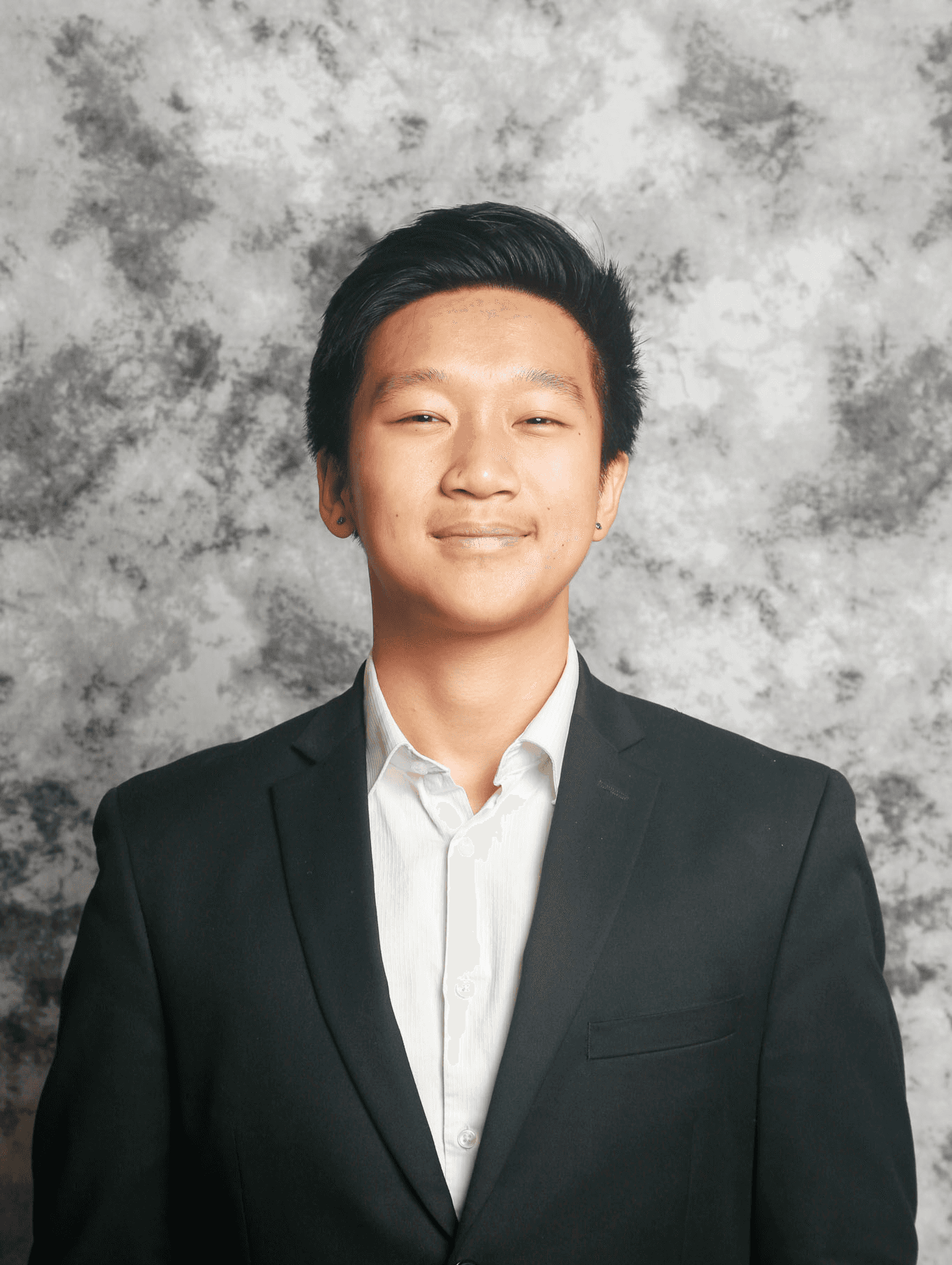
Picture of Cory Chung

Hi, I'm Cory.

Growing up in the Bay Area, I was always surrounded by technology. After discovering psychology in high school and becoming fascinated with human behavior, I found a field that combined both: UX.


I studied Cognitive Science (specializing in Design and Interaction) and Computer Science at UC San Diego to understand both the human side and the technical side of design.


Most recently, I was a Product Designer at Dayout, a social planning app startup, where I designed experiences that turned community ideas into organized schedules. I'm excited to bring this experience to my next full-time product design role.

Picture of Cory Chung

Hi, I'm Cory.

Hi, I'm Cory.

Growing up in the Bay Area, I was always surrounded by technology. After discovering psychology in high school and becoming fascinated with human behavior, I found a field that combined both: UX.


I studied Cognitive Science (specializing in Design and Interaction) and Computer Science at UC San Diego to understand both the human side and the technical side of design.


Most recently, I was a Product Designer at Dayout, a social planning app startup, where I designed experiences that turned community ideas into organized schedules. I'm excited to bring this experience to my next full-time product design role.

Interview me!

Why did you choose UX?

I chose UX because it sits at the intersection of psychology and computers, both of which I have a great interest in, so combining the two just felt right. For me, the most satisfying part of design is creating something that really clicks with the audience, even if they don't consciously notice it. Good design is invisible, and that's the challenge that keeps me hooked. In my opinion, good UX is more than just pretty visuals (although that's what gets the most "wow"s from people), but it's designing an experience thats thoughtful, technical, and human.

What are your strengths?

I’m detail-oriented in terms of how an experience works, not just how it looks. I'm strong at stepping into the user's perspective, especially when it comes to interaction flows and thinking about overall system logic and edge cases. That's why I enjoy wireframing and interaction design the most, since they let me focus on the overall structure of a design rather than solely visual polish. I also bring a technical background, with my minor in computer science and experience in coding bootcamps, which helps me design realistically, communiate with developers, and recognize technical constraints.

How do you make design decisions when there's no clear right answer?

I always start with data whenever possible; asking the user or consulting previous designs. If that isn't possible, I focus on tradeoffs, specifically between technical constraints, user needs, and business goals. It's a careful balancing act, but I try to choose the path that best balances impact and feasability.

What kind of problems do you enjoy working on most?

I love working on complex problems where the path forward isn't obvious; untangling them and working through constraints and user needs to find elegant solutions is extremely satisfying to me. These are typically projects where small UX or interaction design changes have a large impact. I like finding clarity in that complexity, and turning rough systems into intuitive experiences.

What are you actively working to improve as a designer?

I'm actively working to improve my clarity in communication and my storytelling, especially in cross-team settings. I'm also working to stay aligned with my teams, and slowing down my process to explore more potentially great alternatives before converging on a final solution. On the craft side, I've been working to improve my motion design and prototyping skills, along with incorporating AI into my workflow, whether that be for my designs or for my coding projects.

Why did you choose UX?

I chose UX because it sits at the intersection of psychology and computers, both of which I have a great interest in, so combining the two just felt right. For me, the most satisfying part of design is creating something that really clicks with the audience, even if they don't consciously notice it. Good design is invisible, and that's the challenge that keeps me hooked. In my opinion, good UX is more than just pretty visuals (although that's what gets the most "wow"s from people), but it's designing an experience thats thoughtful, technical, and human.

What are your strengths?

I’m detail-oriented in terms of how an experience works, not just how it looks. I'm strong at stepping into the user's perspective, especially when it comes to interaction flows and thinking about overall system logic and edge cases. That's why I enjoy wireframing and interaction design the most, since they let me focus on the overall structure of a design rather than solely visual polish. I also bring a technical background, with my minor in computer science and experience in coding bootcamps, which helps me design realistically, communiate with developers, and recognize technical constraints.

How do you make design decisions when there's no clear right answer?

I always start with data whenever possible; asking the user or consulting previous designs. If that isn't possible, I focus on tradeoffs, specifically between technical constraints, user needs, and business goals. It's a careful balancing act, but I try to choose the path that best balances impact and feasability.

What kind of problems do you enjoy working on most?

I love working on complex problems where the path forward isn't obvious; untangling them and working through constraints and user needs to find elegant solutions is extremely satisfying to me. These are typically projects where small UX or interaction design changes have a large impact. I like finding clarity in that complexity, and turning rough systems into intuitive experiences.

What are you actively working to improve as a designer?

I'm actively working to improve my clarity in communication and my storytelling, especially in cross-team settings. I'm also working to stay aligned with my teams, and slowing down my process to explore more potentially great alternatives before converging on a final solution. On the craft side, I've been working to improve my motion design and prototyping skills, along with incorporating AI into my workflow, whether that be for my designs or for my coding projects.

Why did you choose UX?

I chose UX because it sits at the intersection of psychology and computers, both of which I have a great interest in, so combining the two just felt right. For me, the most satisfying part of design is creating something that really clicks with the audience, even if they don't consciously notice it. Good design is invisible, and that's the challenge that keeps me hooked. In my opinion, good UX is more than just pretty visuals (although that's what gets the most "wow"s from people), but it's designing an experience thats thoughtful, technical, and human.

What are your strengths?

I’m detail-oriented in terms of how an experience works, not just how it looks. I'm strong at stepping into the user's perspective, especially when it comes to interaction flows and thinking about overall system logic and edge cases. That's why I enjoy wireframing and interaction design the most, since they let me focus on the overall structure of a design rather than solely visual polish. I also bring a technical background, with my minor in computer science and experience in coding bootcamps, which helps me design realistically, communiate with developers, and recognize technical constraints.

How do you make design decisions when there's no clear right answer?

I always start with data whenever possible; asking the user or consulting previous designs. If that isn't possible, I focus on tradeoffs, specifically between technical constraints, user needs, and business goals. It's a careful balancing act, but I try to choose the path that best balances impact and feasability.

What kind of problems do you enjoy working on most?

I love working on complex problems where the path forward isn't obvious; untangling them and working through constraints and user needs to find elegant solutions is extremely satisfying to me. These are typically projects where small UX or interaction design changes have a large impact. I like finding clarity in that complexity, and turning rough systems into intuitive experiences.

What are you actively working to improve as a designer?

I'm actively working to improve my clarity in communication and my storytelling, especially in cross-team settings. I'm also working to stay aligned with my teams, and slowing down my process to explore more potentially great alternatives before converging on a final solution. On the craft side, I've been working to improve my motion design and prototyping skills, along with incorporating AI into my workflow, whether that be for my designs or for my coding projects.

What else are you interested in?

Tech! Any tech, really. Currently obsessed with 3D printers and VR.
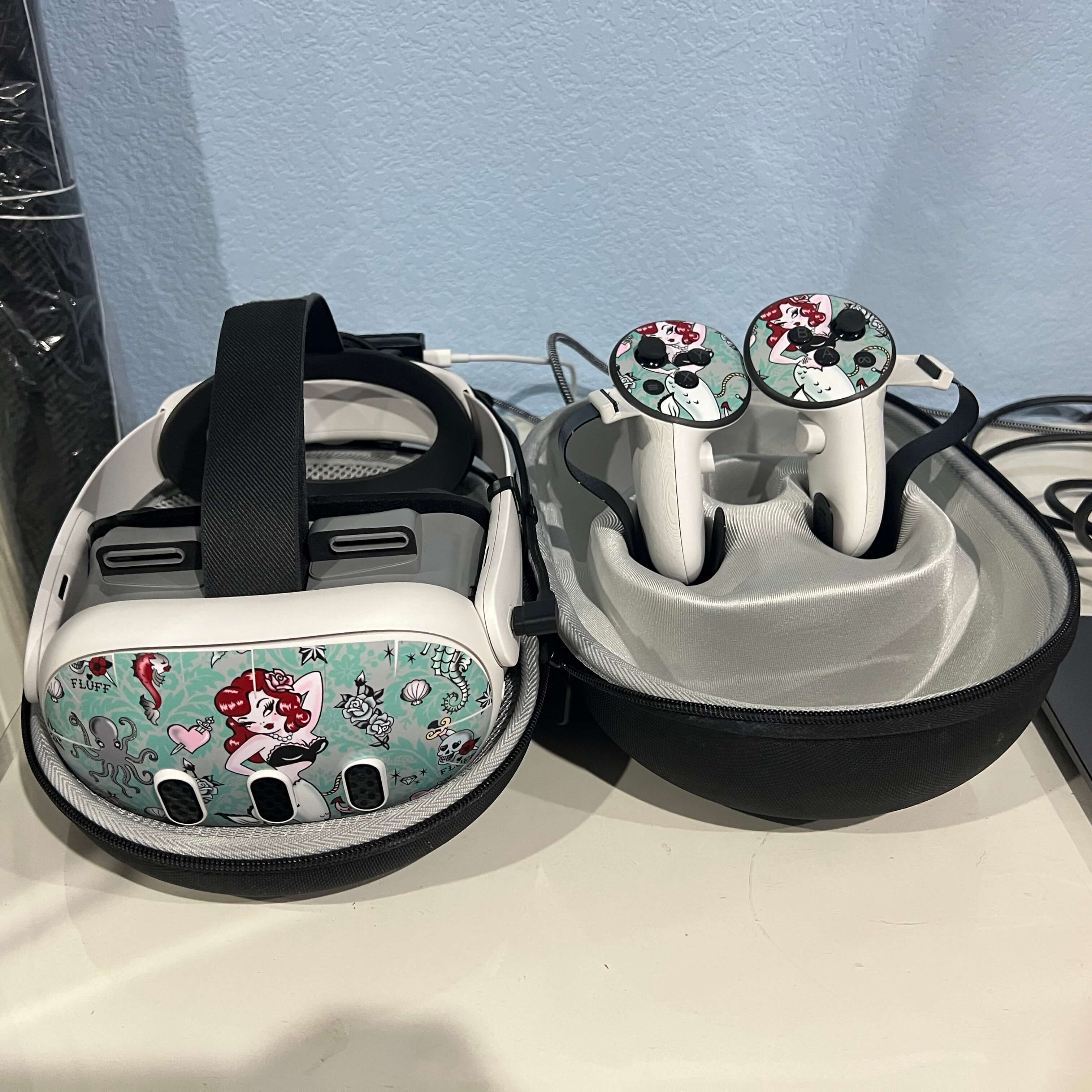
This Meta Quest 3 has taken
up many hours of my life…
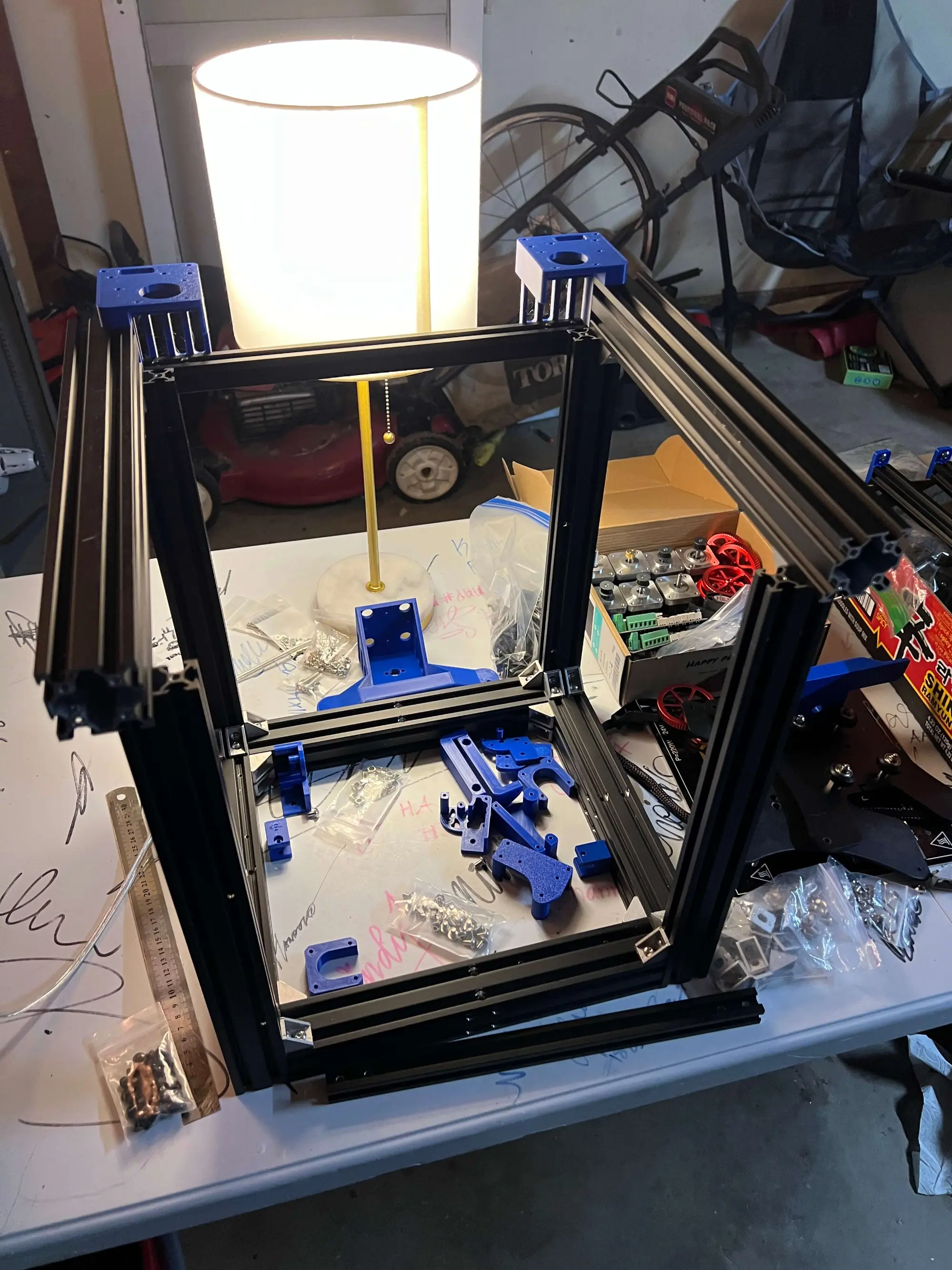
Working on building my own
3D printer from scratch!

Music, of course. Some of my recent favorite albums:
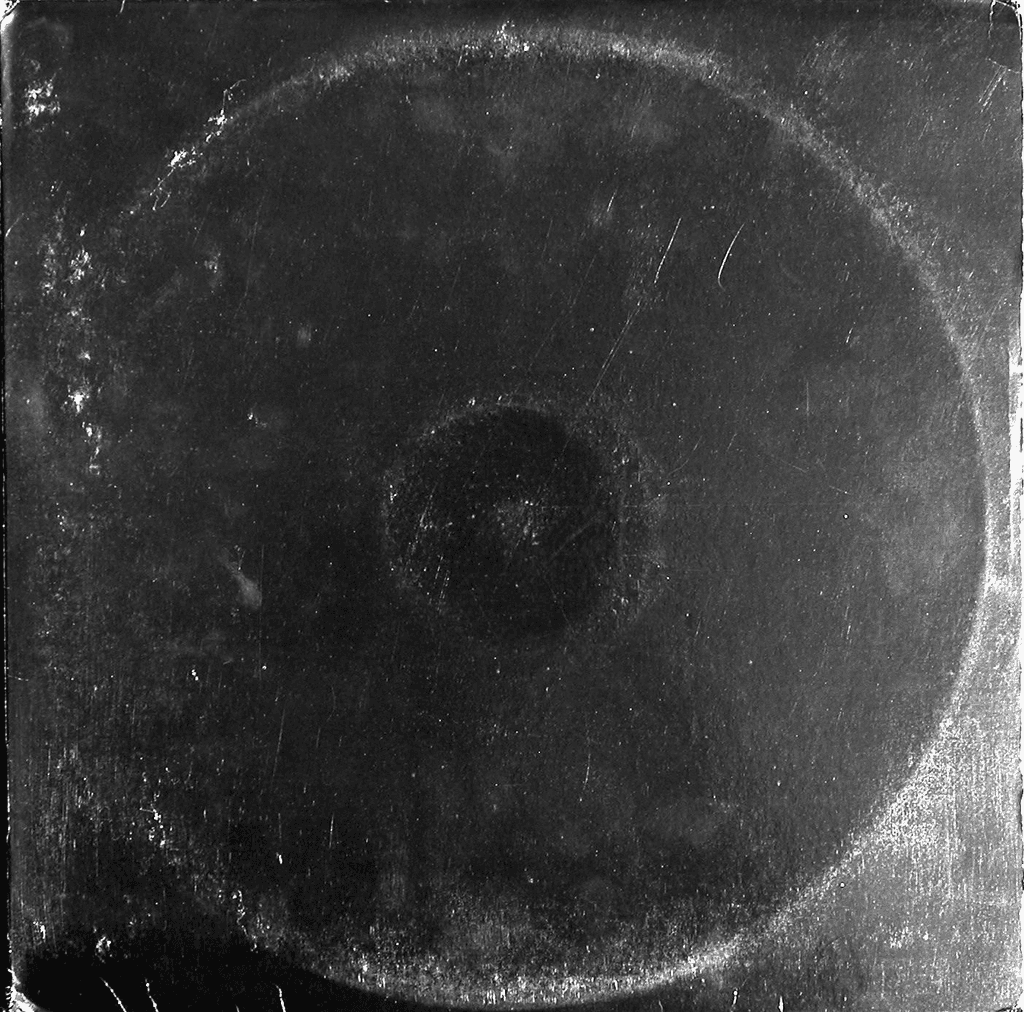
  • Fibonacci

    Subtronics

    Subtronics

  • WHERE IS MY HEAD?

    Rich Brian

    Rich Brian

  • Chemistry

    Chris Lake

    Chris Lake

  • star

    2hollis

Hiking! Some of my favorite views so far:

Pololū Valley Lookout
Hawaii

Waterholes Canyon
Arizona

Vernal Falls
Yosemite Valley
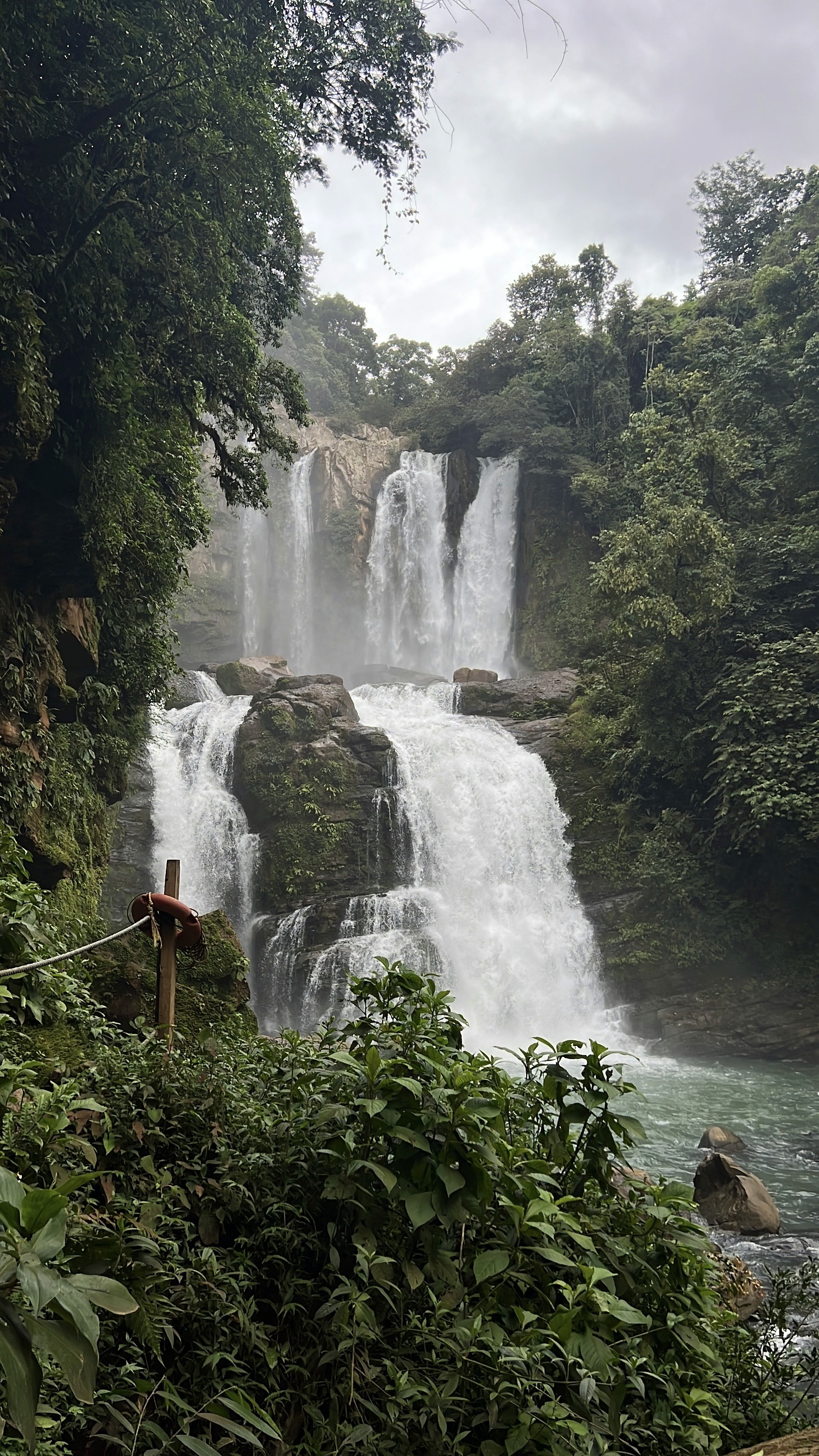
Nauyaca Waterfall
Costa Rica

Create a free website with Framer, the website builder loved by startups, designers and agencies.